· 6 min read
Harnessing advanced analytics for tailored customer experiences
Personalization beyond first-name email — how segmentation, recommendations, and dynamic content turn data into customer relationships.
Introduction
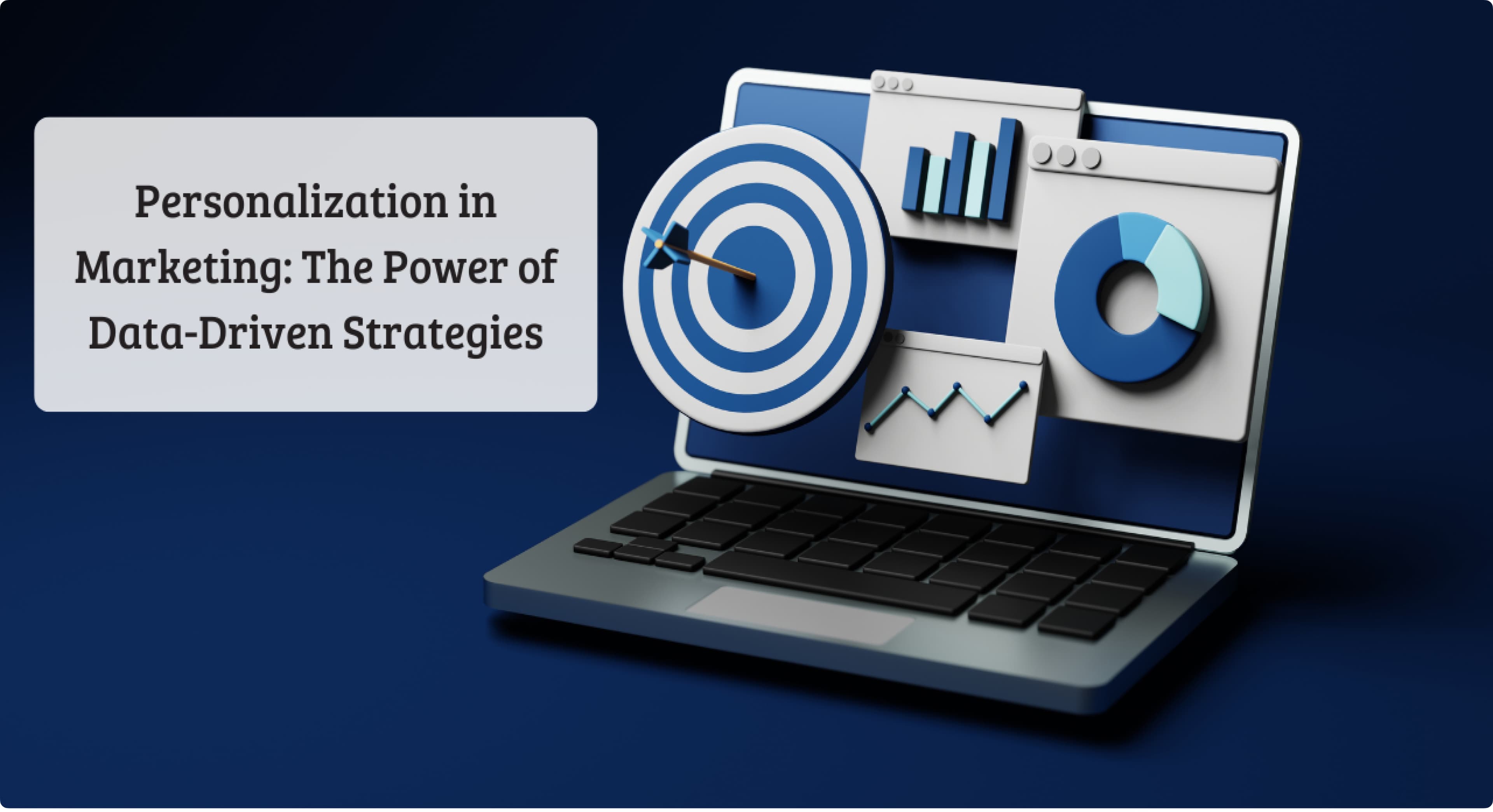
In the digital age, personalized marketing has emerged as a cornerstone for successful customer engagement and retention. This article explores how businesses can harness data-driven strategies to deliver tailored experiences that resonate with their audience on a personal level — from segmentation and targeting to personalized recommendations and dynamic content.
Personalization in marketing goes beyond addressing customers by their first name in emails. It involves understanding their preferences, behaviors, and needs to deliver relevant content and offers. Data-driven strategies enable businesses to achieve this level of personalization by leveraging insights gathered from customer interactions across every channel.
- 1Segmentation and targeting
Effective personalization begins with segmentation — dividing the audience into meaningful groups based on demographics, interests, purchase history, and behavior patterns. By analyzing data, businesses create targeted campaigns that resonate with each segment's unique preferences.
- 2Personalized recommendations
Recommender systems powered by data algorithms analyze user behavior to suggest products or content tailored to individual preferences. This enhances UX while increasing the likelihood of conversion and repeat purchase.
- 3Dynamic content customization
Dynamic content allows marketers to personalize websites, emails, and ads in real time based on user interactions. For example, an e-commerce site can display personalized product recommendations or promotions based on browsing history or past purchases.
- 4Behavioral trigger campaigns
Data-driven strategies enable automated campaigns triggered by specific user actions. Sending a follow-up email with related content or offers based on a recent interaction can significantly increase engagement and conversion.
- 5Optimizing customer journeys
By mapping and analyzing customer journeys, businesses identify friction points and personalization opportunities. Optimizing with relevant touchpoints and personalized content leads to smoother interactions, higher satisfaction, and improved retention.
- 6Measuring and iterating
Continuous measurement and analysis are crucial. Tracking engagement rates, conversion rates, and customer lifetime value lets businesses refine their approach and tailor future campaigns more effectively.
Data-driven personalization is not just a trend but a strategic imperative for modern marketers looking to create meaningful connections with their audience. By leveraging advanced analytics and consumer insights, businesses can deliver personalized experiences that drive engagement, foster loyalty, and ultimately drive business growth.

Ready to turn engagement into revenue?
Get a personalized demo of BroadEngage — see how multi-channel automation drives real outcomes.